Dolphin Dispatch from Europe
 30Jul
30Jul
Imaging spending your entire life looking out through a window, devoid of the natural elements of the sea. A world you were meant to live in, with your family – a world you would never see again.
For the past 55 years, this is the cruelty that Dolphin Project has been fighting against. But in Europe alongside dedicated activists, real progress is being made, and we are pleased to report that the tide seems to be finally turning in the dolphins’ favor.

The Umah Lumba Rehabilitation, Release and Retirement Center in Banyuwedang Bay, West Bali, Indonesia is the first and only permanent dolphin rehabilitation, release and retirement facility for formerly performing dolphins. Dolphin Project is actively scouting other potential sites for future sanctuaries that could accommodate the dolphins who will need relocation in Europe. Credit: DolphinProject.com
Kolmården Zoo, Sweden – In March 2022, Kolmården Zoo in Sweden, which has been breeding dolphins in tanks for decades, announced the closure of its dolphinarium and intentions to relocate its dolphins. The decision means that Scandinavia will finally become dolphinaria-free.
Attica Zoological Park, Greece – In 2020, Attica Zoo in Greece had its dolphinarium licence revoked after years of controversy. Facing ongoing criticism, the zoo announced in early 2025 that its remaining dolphins would be relocated abroad, marking the end of its dolphin exhibit, and making Greece dolphinaria-free.
Madrid Zoo Aquarium, Spain – Madrid Zoo officially ended dolphin shows and closed down its dolphin exhibit at the beginning in 2025. Unfortunately, the dolphins were transferred to Hainan Ocean Paradise in China, but this does illustrate the urgent need for dolphin sanctuaries to be built in Europe.
Boudewijn Seapark Dolphinarium, Bruges, Belgium – In November 2024, the Flemish government mandated the end of dolphin captivity by 2037, and potentially sooner.
Marineland of Antibes, France – Under France’s 2021 animal welfare law, all marine mammal shows, breeding, and imports must end by December 2026.* Marineland of Antibes, which has exploited wild-caught and captive-born orcas and bottlenose dolphins in shows for decades, closed in January 2025. French NGOs are working to convince authorities to help establish sanctuaries for the dolphins (and orcas) who are still at the park.
*Note: Dolphin captivity is still permitted if it supports approved scientific research.

Ric O’Barry, Founder/Director of Dolphin Project participates in a peaceful demonstration alongside other activists in Brussels.
With your support, we will continue our critical work to help protect dolphins worldwide. Together, let’s be a voice for the voiceless!
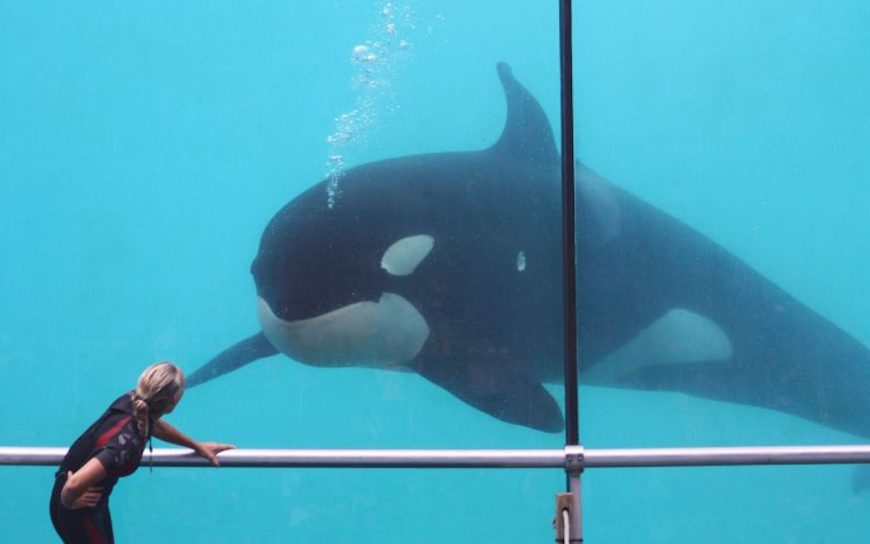
Featured image: In October 1982, a female orca calf was captured off the coast of Iceland. Five months later, Freya (as she would be named) was flown across the Atlantic Ocean to Marineland of Antibes, where she performed until her death in June 2015. Credit Lisa S/Inherently Wild.

Related posts

2025: A Year in Review

When the Show Ends, Who Cleans Up the Mess?
