Dolphin Project Returns to Taiji
 01Feb
01Feb
For the remainder of the 2025-26 dolphin hunting season, Dolphin Project Cove Monitors are back on the ground in Taiji, Japan.
Our presence here will help continue to raise awareness about the hunts, and the undeniable link to the captivity industry. We are networking with Japanese activists, as it’s crucial to raise awareness within Japan. Together, we are trying to come up with creative solutions to end the hunts.
Our Cove Monitors are also documenting the cruelty of both the drive hunts and the captivity industry in Taiji. Photos and videos taken here in real time are important for education and awareness, in order to enact lasting change.
Finally, we continue to monitor the hunts closely, searching for any evidence of violations of their hunting permits. Taiji is a busy place – between the drive hunts, the captive facilities and the transfers of dolphins to facilities outside of Taiji, it’s important to have multiple sets of eyes on the ground from different vantage points.

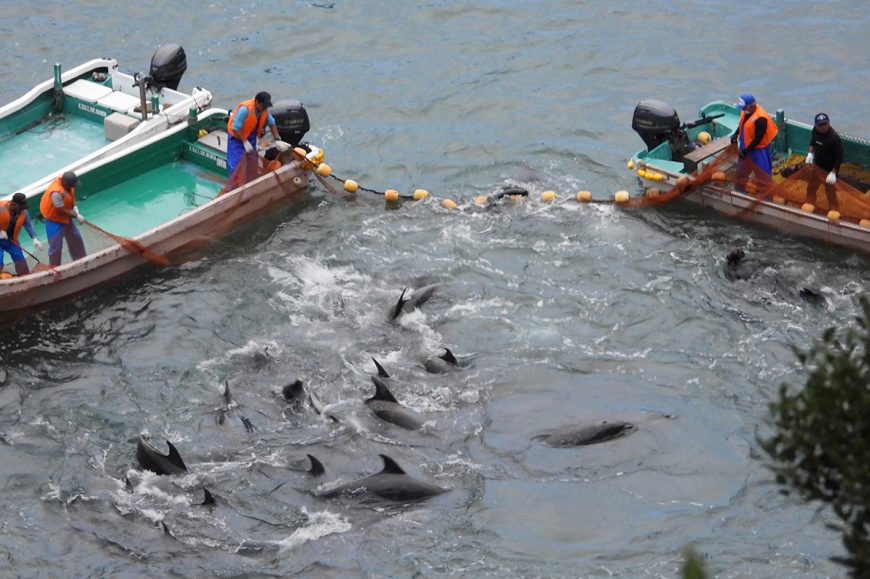
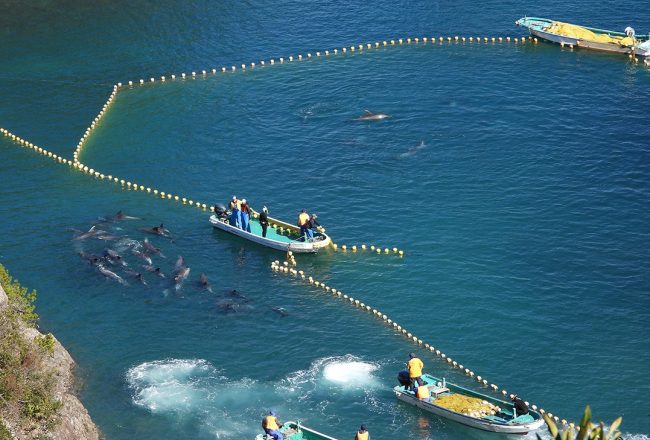
Cove Monitors document a dolphin drive in Taiji, Japan. Credit: DolphinProject.org
“The single biggest factor in effecting change regarding captive marine mammals comes from within the country. Hunting numbers are down and public opinion is slowly turning within Japan. It has never been more important to support all the local activists working on these issues.” ~ Tim Burns, Dolphin Project
Last year, in 2025, when Dolphin Project was present in Taiji for the last six weeks of the drive hunt season, we were able to open many new eyes to the horrors of these hunts, and the connection to the captive dolphins displayed in tanks across the world. Via livestreams and posts on our social media channels, as well as sharing information and documentation with our Japanese counterparts, people were exposed to the goings-on in Taiji.
The Cove movie, released in 2009 and the recipient of an Academy Award for Best Documentary Feature (2010) is already 17 years old. There is a whole generation of people who have never heard of the movie, nor are they aware of the atrocities that take place annually in Taiji. Many commenters on social media have said they never heard about the drive hunts and wanted to learn more about them.

Japanese activists oppose the dolphin drive hunts, Taiji, Japan
Raising awareness both globally and within Japan are keys to ending dolphin captivity. The demand from around the world to go to dolphin shows, swim with captive dolphins, and participate in dolphin-assisted therapy is what keeps this industry going. The captivity industry provides Taiji with the financial motivation to continue the drive hunts. Dolphins are slaughtered, meat is sold but the overwhelming majority of profits come from the capture, training, and selling of dolphins as circus performers.
While the tide is turning in many parts of the world, with attendance at marine parks declining and several going bankrupt and closing their doors, demand within Japan continues to be strong. Therefore, it is crucial for Dolphin Project to work with, and support Japanese activists as they strive to raise awareness within Japan. There are many dedicated Japanese activists protesting and educating in front of marine parks throughout Japan, as well as organizing postcard campaigns – sending many postcards to Japanese government officials requesting the end of these hunts. Spending time in Taiji allows us to meet with, and discuss strategies with Japanese activists.
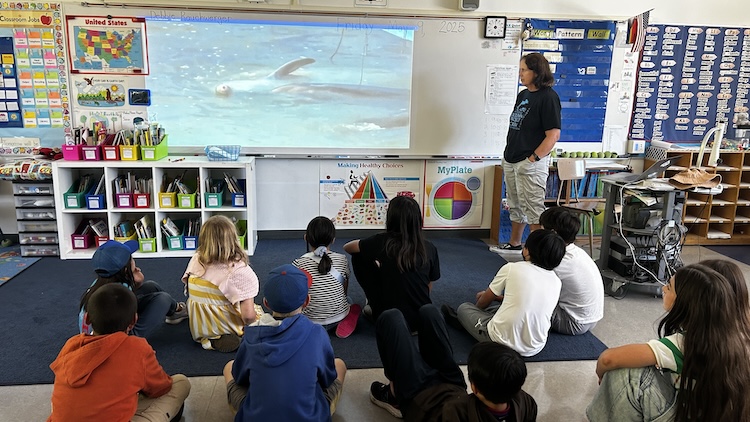
Education = empowerment! Cynthia conducts an in-school presentation to engage youth activism. Credit: Cynthia Fernandez
The media taken in Taiji is closely viewed as we search for evidence of any possible violations of hunting permits. This type of evidence needs to be current and violations need to be seen repeatedly. Pursuing legal action is an important piece in the fight to end the dolphin drive hunts. Images posted on social media spread awareness and inspire action. Another important use of our media is for educational purposes. It is used to create videos for lesson plans for teachers to use in their classrooms. It is also used during in-person presentations for students of all ages. The visuals are very powerful and make an impact on students.
Taiji is ground zero for captive dolphin sales. Being here and documenting transfers gives us an idea of the current demand for captive dolphins, as we look for trends in numbers and species sold. Gathering all the information we can, learning all we can about the dolphin drive hunts, and the captive dolphin trade is important in our continuing efforts to end the hunts.
LEARN MORE about our Taiji dolphin campaign.
MAKE A DONATION and help support our work to end the drive hunts.
Featured image: Dolphins are driven into the Cove for slaughter or captive selection, Taiji, Japan. Credit: DolphinProject.org

Related posts
25 Dolphins Taken Captive as Taiji Hunts Begin
Beyond the Cove: How Captivity Sustains the Hunts