
Freedom Is a Relative Concept
 15Oct
Wikie and her son Keijo are still languishing in the dreary concrete tanks at Marineland in Antibes, France. The park has closed, but the two orcas remain trapped there. So do four bottlenose dolphins named Sharky, Nala, Malou, and Ollie. Both orcas and two of the bottlenose dolphins were born in captivity. The other two were captured from the wild decades ago. They cannot be released, but they deserve a natural seaside sanctuary where they can live out their lives in a more natural environment, without having to perform.
A transfer from a decrepit concrete tank to a natural seaside sanctuary represents a lot of freedom.
Hundreds of millions of euros in profits have been made off the backs of Marineland’s orcas and bottlenose dolphins. Most of that money came from two sources: ticket sales and taxes.
Marineland made enormous profits from these animals, and the French government collected taxes along the way. These two corporations created this mess, but neither wants to pay for a natural seaside sanctuary now that the animals are no longer bringing in money. Their future has become someone else’s financial problem, and the public is expected to pick up the bill.
Consider the obvious: Marineland and the French government want to save the money, not the animals in their care. They want the public to pay for their mistakes of the past.
Shame on both corporations. The animals they profited from are now being left to pay the price.
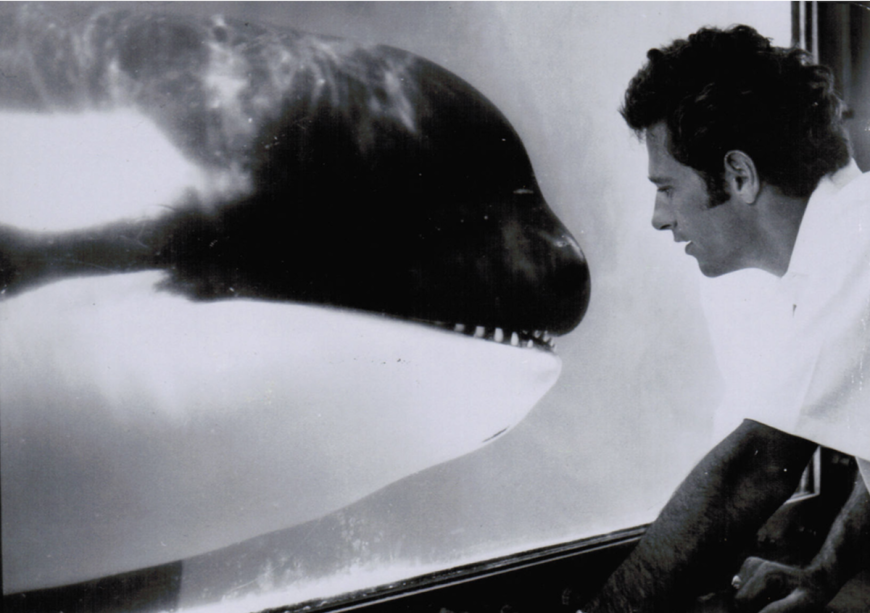
Featured image: Ric O’Barry with Hugo, Miami Seaquarium

Related posts
Concrete in a Dolphin’s Mouth After Transfer

Wikie and Keijo: From One Tank to Another?
