Let’s Keep Making Progress for Dolphins
 12Dec
12Dec
After a three-year absence, I returned to Taiji in November. Due to the pandemic, Dolphin Project Cove Monitors were unable to be on the ground in Taiji for the past two seasons. Dolphin Project collaborated with Life Investigation Agency’s team of all-Japanese activists and independent Japanese activists to allow for continued documentation and education about the dolphin drive hunts, which take place annually from September 1st through the end of February. Dolphins are driven into a cove where, depending on species, they may be captured live for the captive industry or slaughtered for their meat. The financial driving force behind these hunts are the profits made from the training and selling of dolphins to marine parks around the world. Although these hunts are legal, there are regulations that must be followed. Looking for any violations in these regulations is vital in the fight to end the hunts. Bringing lawsuits (against the hunts) can not only bring about positive change, but also bring unwanted attention to the town of Taiji and against their vile practices against dolphins.

Entrance to the Taiji Whale Museum, Taiji, Japan. Credit: DolphinProject.com
Upon arrival, it seemed little had changed but after spending the past 32 days here, I can see some important changes. Fortunately, the hunters are off to a very slow start to the 2023-24 season. Similar to last season, the number of dolphins captured or slaughtered has been low. However, last season as the weather got colder and the Kuroshio current moved closer to the shoreline, the numbers of dolphins driven into the cove increased. Let’s hope that is not the case this year. With climate change and an El Niño weather pattern affecting the Pacific ocean this year, perhaps the current will stay offshore longer and provide safety for the dolphins moving past Taiji.
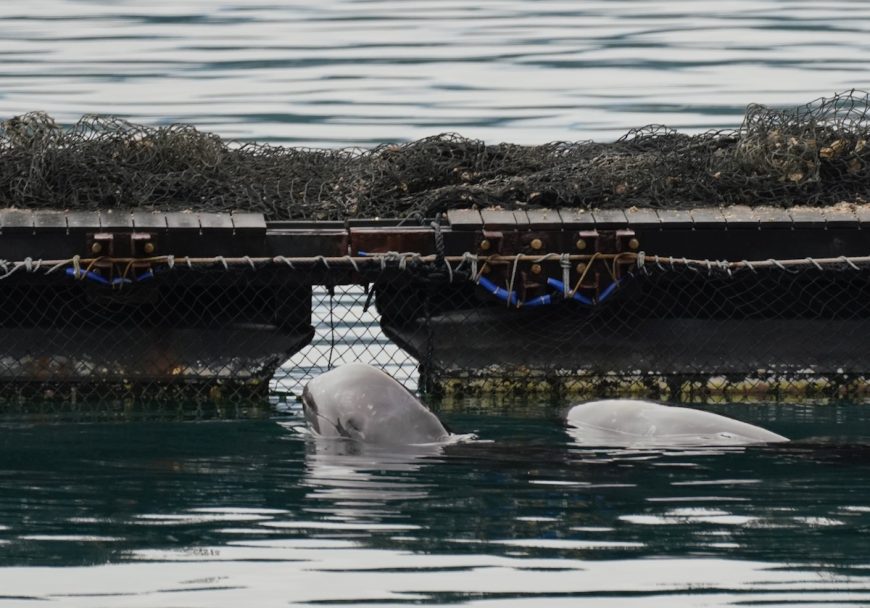
The sea pens in Moriura bay are full of dolphins, mostly bottlenose. While dolphins are often moved between the Moriura bay pens and the Taiji Whale Museum, there have been relatively few transfers where the dolphins have left Taiji. Hopefully, sales are down. The presence of Pacific white-sided and pantropical spotted dolphins may also indicate a reduction in the demand for captive dolphins. The last time each of those species were captured was during the 2020-21 season. All of the captive facilities in Taiji have Risso’s dolphins (three were taken captive in the 2021-22 season and another three taken in the 2020-21 season).
Another possible indication of a decline was seen when last month, the hunters drove in a fairly large pod of bottlenose dolphins and took three for captivity. Four dolphins that had been taken the day before were returned to the pod and along with the rest of the dolphins, were released. In the past, it would be expected that they would take many more dolphins for captivity. Perhaps the sea pens are all full. We can only speculate the reasons for the numbers and species of dolphins kept and sold in Taiji.

Dolphin Base, Taiji, Japan. Credit: DolphinProject.com
On September 29, 2023 Life Investigation Agency won a court case against the town of Taiji and its redaction of important documents related to the hunts. The ruling means that Taiji will have to disclose information they would strongly prefer to keep private about the Taiji Whale Museum (such as inventories of dolphins held, inspection reports for the animals and documentation about dismantling dead cetaceans). An important part of the puzzle will be revealed when documents related to the overseas export of live dolphins will be released. This information will provide a clear picture of the captive dolphin business in Taiji. The claim that the dolphin drive hunts are “tradition and culture” will be severely weakened as the business side of the dolphin drive hunts is revealed.
As expected, the town of Taiji appealed the ruling and the case is back in the courts. Dolphin Project will continue to support Life Investigation Agency as it presses forward with not only this case but others. While documentation is important to provide the evidence needed to support these lawsuits, the lawsuits themselves are critical in bringing about change in Taiji. Bringing attention to the dolphin drive hunts within Japan is also crucial.
Pursuing court cases is costly and we need your help. If you don’t see Cove Monitors on the ground in Taiji, please know that we are working on other avenues to help end the brutal dolphin drive hunts here. Your financial support is critical, and deeply appreciated as we continue to fight for the dolphins of Taiji.
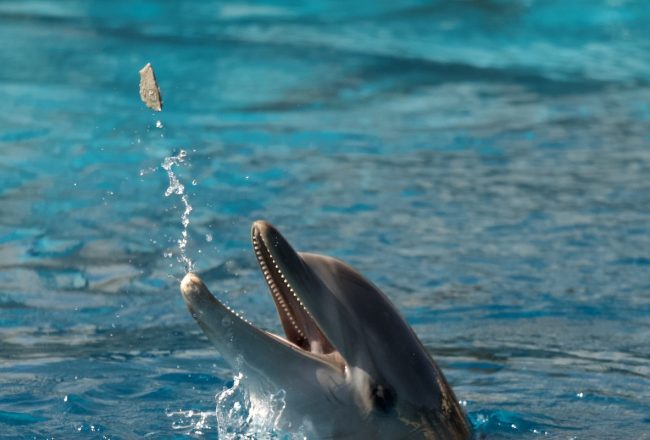
Featured image: Captive Risso’s dolphins, Taiji, Japan. Credit: DolphinProject.com
Cynthia has been traveling to Taiji, Japan since 2012 and spent four months in Taiji during the 2017-18 season. As a marine biology teacher, she understands the role top-level predators like dolphins play in keeping our ocean ecosystem healthy. Cynthia does presentations for all levels of students to open their eyes to the cruelty of dolphin captivity and its link to the dolphin drive hunts in Taiji. As an animal lover, Cynthia refuses to stand by and do nothing while the dolphins she loves so dearly suffer so greatly. She strongly believes that education is the key to a better future, for the animals, for us and for the planet. Cynthia has produced educational materials that are used in schools all over the world to further her goal of ending captivity. She is a critical part of the Dolphin Project team. If you would like to learn more about our school programs, please reach out to us at www.dolphinproject.com/contact
Related:
Learn more about the dolphin hunts in Taiji
YOUR SUPPORT IS URGENTLY NEEDED. PLEASE SUPPORT THE LEGAL INITIATIVES IN JAPAN BY DONATING TODAY.


Related posts
25 Dolphins Taken Captive as Taiji Hunts Begin
Beyond the Cove: How Captivity Sustains the Hunts