Luna the Dolphin is Dead
 28Sep
28Sep
Luna, a dolphin at Kolmården Zoo in Sweden, has been euthanized. She underwent around 40 blood tests and was given antibiotics for 213 days over a ten-month period. The treatment had caused severe side effects and, according to Swedish authorities, should have been revised, Luna’s environment and care changed, or she should have been euthanized on animal welfare grounds.
Luna was treated for Mycobacterium marinum, a bacterium found in the water at the dolphinarium. According to Swedish news media, it causes skin lesions and can spread to muscles and tendons if left untreated.
Kolmården believes that all of its dolphins may be more or less affected by the bacterium. Some require treatment and regular examinations, and the bacterium is difficult to eliminate from the pools.
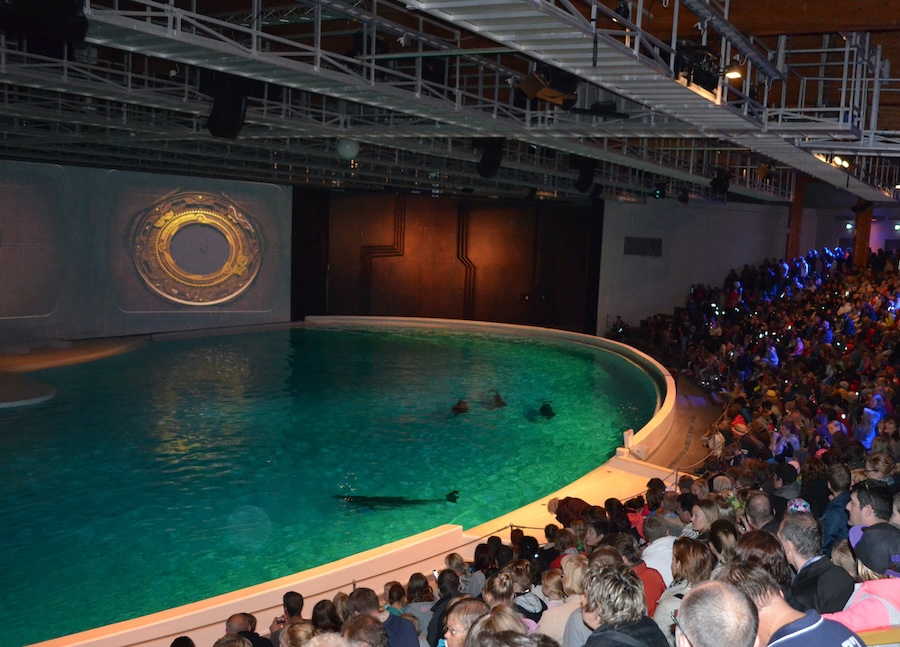
The dolphin stadium at Kolmården Zoo in Sweden. More than 60 dolphins have reportedly died there over the years, both captive-born and wild-caught. Credit: Helene O’Barry
Cecil also died at Kolmården this month. On August 17, 2026, the 42-year-old dolphin was euthanized after being unwell for some time. He had recently suffered an infection, which cleared, but he remained in poor health. The bacterium was not identified as the cause of Cecil’s death. However, Norrköpings Tidningar wrote that a connection could not be ruled out.
Kolmården says Luna had received extensive care and treatment. Following a comprehensive veterinary assessment, the zoo decided that further treatment was no longer the right option.
Luna was born in 2001. Both of her parents were captured from the wild.
More than 60 dolphins have died at Kolmården Zoo since the dolphin stadium opened in 1969. Kolmården’s remaining eight dolphins are still living at the zoo, despite the announcement in 2022 that the dolphinarium would close.
Related:
Kolmården Zoo: Another Dolphin Dies
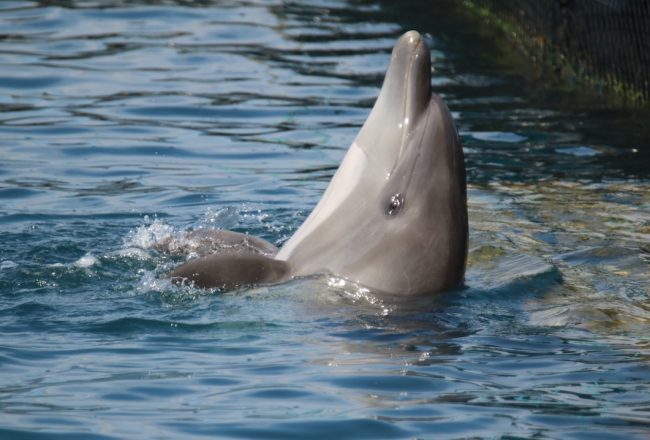
Featured image: Mycobacterium marinum has been found in the water at Kolmården’s dolphinarium. The bacterium can infect both animals and humans and causes difficult-to-heal skin lesions. Kolmården does not know how it entered the dolphinarium, but it could have come in through the fish used to feed the dolphins. Veterinarian Hampus Hällbom says that infected dolphins are difficult to treat and that it is likely that their lesions itch and cause pain. Credit:
Djurrättsalliansen/Animal Rights Alliance, Sweden

Related posts
Kolmården Zoo: Another Dolphin Dies
The Forgotten Dolphins at Kolmården Zoo