Marine Mammal Stranding Trainings
 08Dec
08Dec
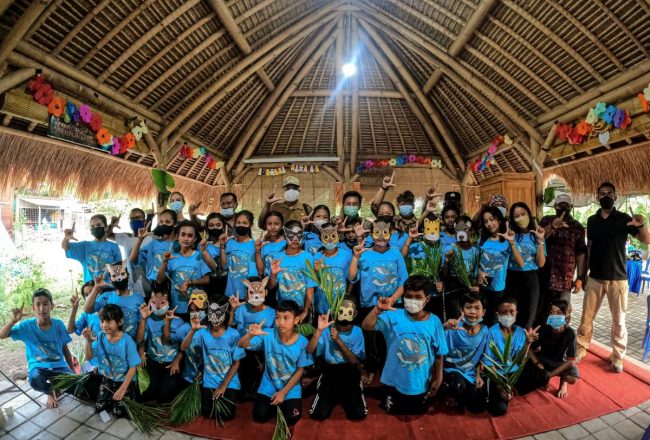
We are pleased to report that our Indonesian team has organized 11 marine mammal stranding trainings this year in the fishing villages around west and northern Bali, as well as in Jember, east Java, training a total of 263 people.
All of these trainings were done at hotspots where marine mammals are known to strand. In these locations, we have dealt with the strandings of young sperm whales, as well as whale sharks. In the southern part of Bali (Sanur), we led a rescue operation for a stranded pygmy sperm whale. We also provided marine mammal stranding training for local residents, and distributed our booklets on how to act and assist during a stranding.

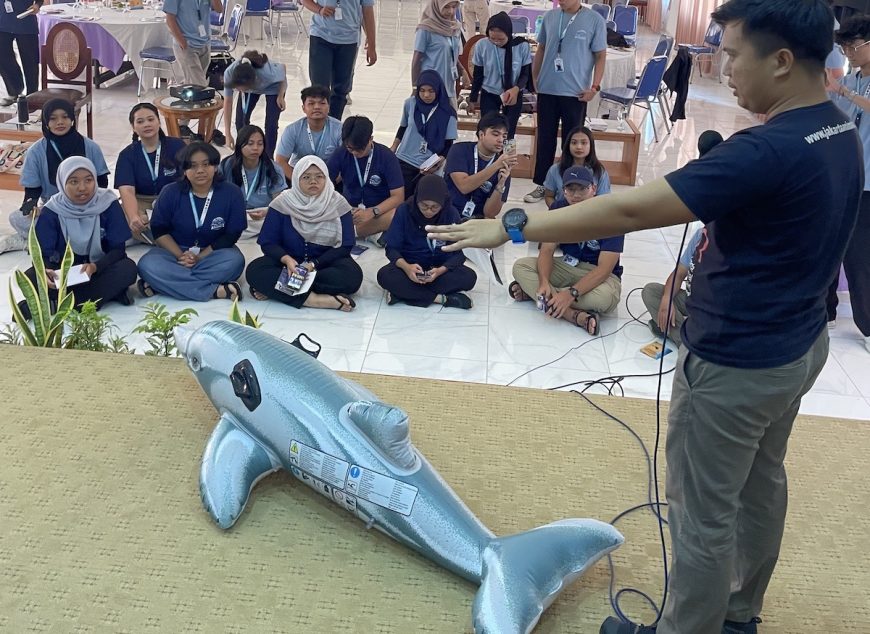
Femke den Haas discusses the importance of dolphin conservation and best practices regarding marine mammal conservation organized by APHONICS 2024 conference, Bali, Indonesia.
A fast response to a stranding is crucial. Thus, these trainings help to empower local fishermen and communities when handling animals, and returning them safely back to the ocean. Several strandings occur due to noise pollution, and the subsequent disorientation of marine mammals – which is why a quick response is key.
While we are pleased with the number of people our team reached this year, in 2025 we hope to increase our marine mammal stranding training to even more individuals!
PLEASE NOTE: Always follow local guidelines and best practices when encountering a stranded marine animal.
Learn more about our community outreach programs in Bali, Indonesia.
Featured image: Our team conducts marine mammal stranding training, Bali, Indonesia. Credit: DolphinProject.com

Related posts
Update from Bali: Field Notes from the Team
New Year, New Turtle Hospital