Miami Seaquarium’s Closure Ends 70 Years of Suffering
 13Oct
13Oct
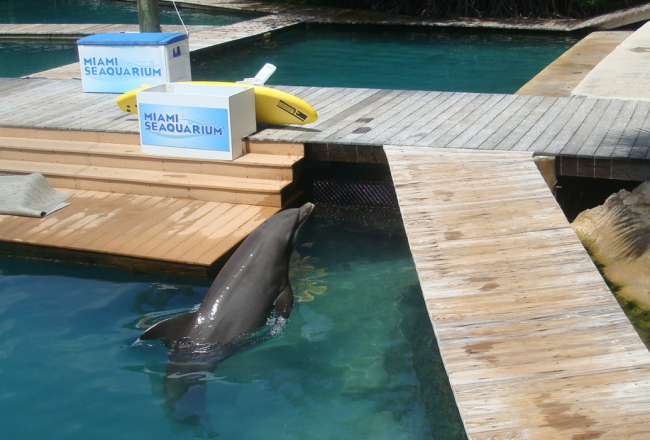
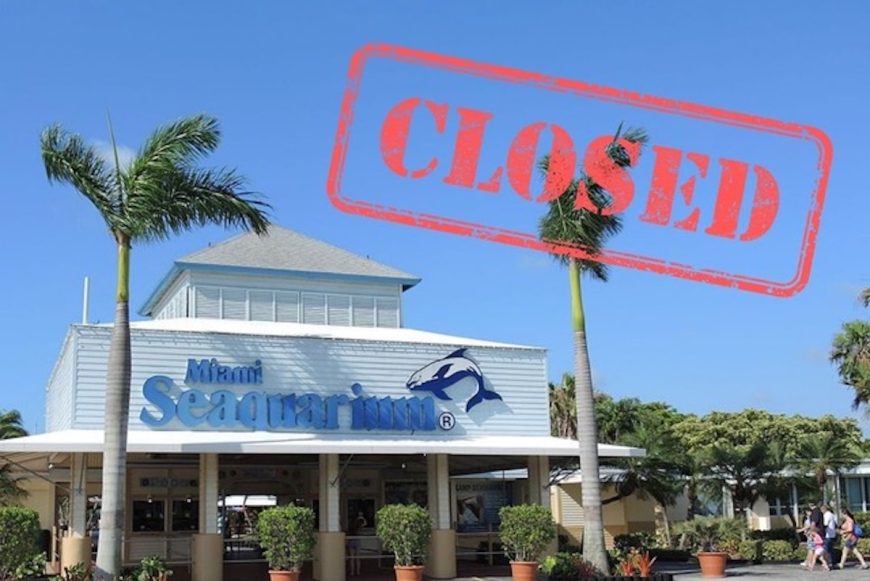
After just over 70 years of being in operation, Miami Seaquarium has closed its doors, ending a decades-long practice of keeping marine mammals in captivity.
While the park’s remaining 16 dolphins, sea lions and seals will likely be relocated to another facility, the park’s lease has now been taken over by Resilient Aquarium LLC, part of the Miami-based Terra Group from The Dolphin Company – the Mexico-based company who previously owned Miami Seaquarium. Plans include the redevelopment, modernization, and transformation of the property into a family-friendly destination and will feature a marina, restaurants and shops – all without the use of live dolphins.
Miami Seaquarium has been plagued with numerous animal welfare issues, including several damning inspections by the United States Department of Agriculture Animal and Plant Health Inspection Service (USDA), the loss of accreditation from American Humane’s animal welfare certification, a lease eviction notice enacted by Miami-Dade County Mayor Daniella Cava, and a subsequent bankruptcy filing by The Dolphin Company. At a minimum, 120 dolphins have died at the facility, including Lolita, the most famous orca in captivity and the subject of a global movement to retire her to a seaside sanctuary.

Miami Seaquarium Facebook post dated 10-6-25

Miami-Dade County Mayor statement on Miami Seaquarium, 9-26-25
A Troubled History, A New Path Forward
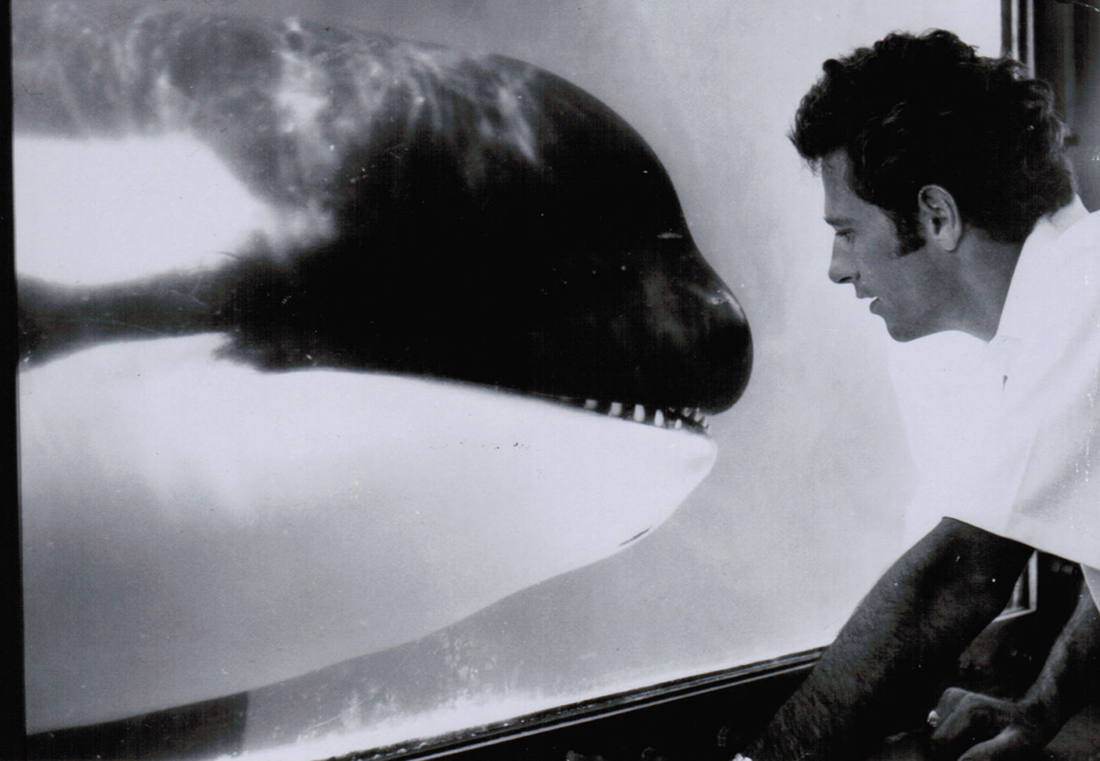
Ric O’Barry with Hugo, Miami Seaquarium
Ric O’Barry, Founder/Director of Dolphin Project has spent decades campaigning against Miami Seaquarium’s use of captive dolphins. It’s been a difficult – and painful – fight, given that O’Barry himself worked at the facility as a dolphin trainer and diver in the 1960s. Among the dolphins he trained were the ones who starred in the TV show Flipper, as well as Hugo, the first orca kept in captivity east of the Mississippi River. By the time O’Barry founded Dolphin Project on Earth Day 1970 – which has become the longest-running anti-captivity dolphin welfare organization in the world – he was fully committed to ending the barbaric practice of keeping these sentient mammals in captivity.
The closure of Miami Seaquarium represents a huge victory for dolphins, and is an important step towards the abolishment of facilities that keep dolphins captive. When the park does reopen, instead of profiting from animal suffering, the facility finally has a chance to atone for its past actions.
Dolphin Project would like to thank every person who has ever stood alongside us (in-person or virtually), signed a petition or taken another action on behalf of the dolphins at Miami Seaquarium. Activism works! Please keep spreading the word to not buy a ticket to a dolphin show!
Sources used in this blog:
Lease Termination Notice Issued to Miami Seaquarium, Dolphin Project, 3-7-24
Ongoing Serious Concerns at Miami Seaquarium, Dolphin Project, 10-27-23
One Dolphin’s Story – Hugo, Dolphin Project, 8-2-15
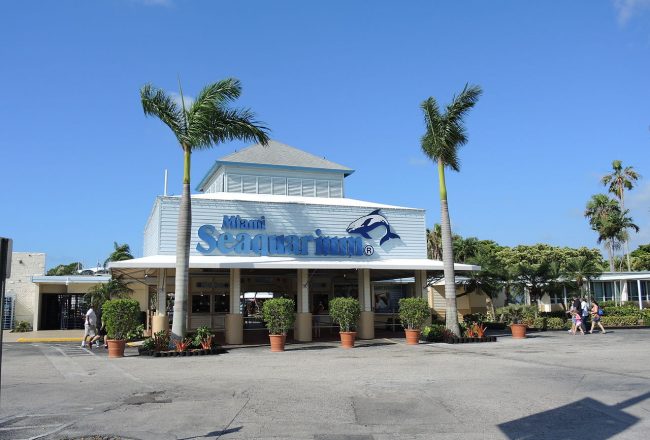
Featured image: Miami Seaquarium main entrance, credit: By Pietro (Own work) [CC BY-SA 3.0], via Wikimedia Commons

Related posts
No More Dolphins at Miami Seaquarium?
Dolphin Project: 55 Years and Beyond Defending Dolphins