Turning “Savings” Into “Saving”
 24Feb
24Feb
For over 50 years (nearly 56 years to be exact!), Dolphin Project, and notably, our Founder/Director Ric O’Barry has been fighting the use of dolphins in captive performances. Chances are, if you’re reading this blog, you’ve heard our advice when asked what one can do to stop it: “Don’t buy a ticket.”
Attending peaceful demonstrations, watching factual documentaries, and securing the support of local politicians all help. But something even simpler can have profound effects: the power of where, and how you spend your money.
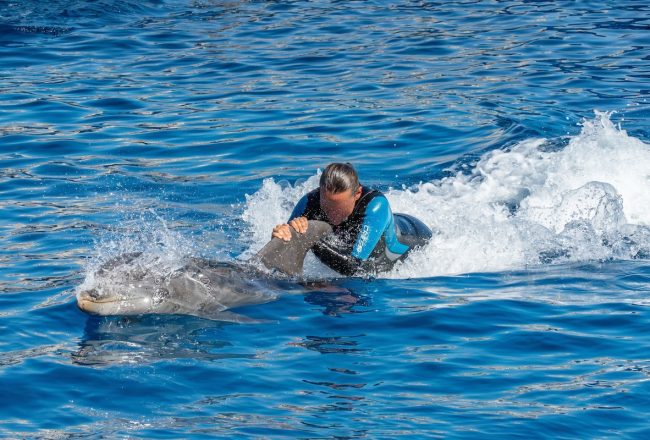
Consider the planning involved to book a trip that includes a visit to an aquarium or marine park: There’s the cost of travel, accommodations, transportation, meals, and tickets to the venues themselves. A ticket bought at an attraction featuring captive dolphins directly contributes to justifying their captivity and generating profit. And sadly, captive dolphin shows count on generating large profits. Otherwise, why would anyone confine a highly sentient being in a concrete tank?
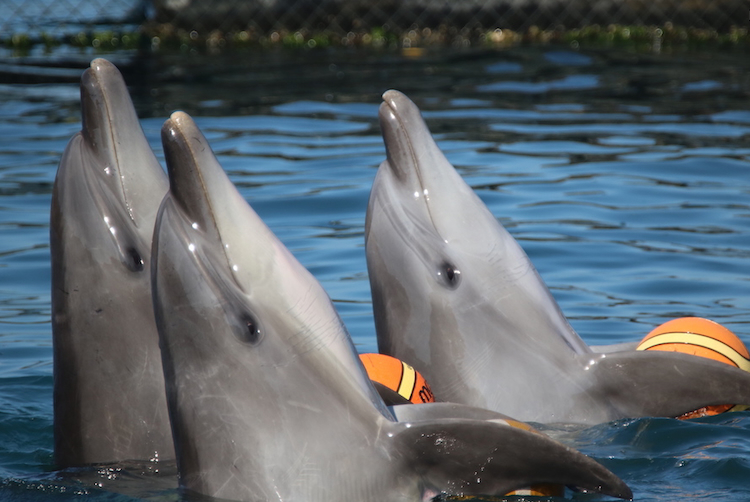
“Life in captivity is no life at all. Credit: DolphinProject.org
Marine parks, swim-with-dolphin attractions, and resorts (often partnered with cruise lines) are businesses. Their primary incentive isn’t education or conservation or rescue – it’s revenue. If dolphin captivity stopped making money, it would stop.
Let’s consider the ramifications of not buying a ticket a little more closely. It is conceivable that:
- attendance would drop,
- profits would shrink,
- investors would become more wary of supporting failing business models, and,
- public image would suffer
At this point, these very businesses (and investors) could rehabilitate their own reputation by facilitating the rehabilitation of the mammals that would now be in need of sanctuaries. Imagine a business model where dolphins are being healed, not harmed.
Dolphin Project believes strongly that formerly-performing dolphins deserve to retire in peace and dignity. Guided by this ethical framework, our collective dollars (or “savings”) could actually be used to save the mammals, and provide them with either a safe and dignified retirement, or when appropriate, a chance for re-release into their home waters.
Learn more about Dolphin Project’s pioneering work in dolphin rehabilitation and re-adaptation.
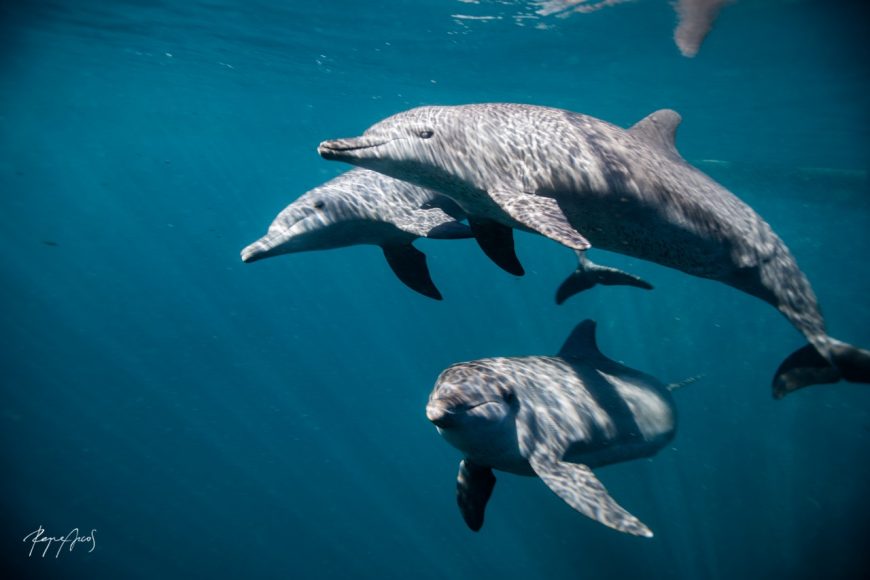
Featured image: After being confiscated from a hotel swimming pool, Johnny, Rocky and Rambo spent considerable time in rehabilitation at the Umah Lumba Center in West Bali, Indonesia, the first and only permanent dolphin rehabilitation, release and retirement facility for formerly performing dolphins. Credit: Pepe Arcos

Related posts
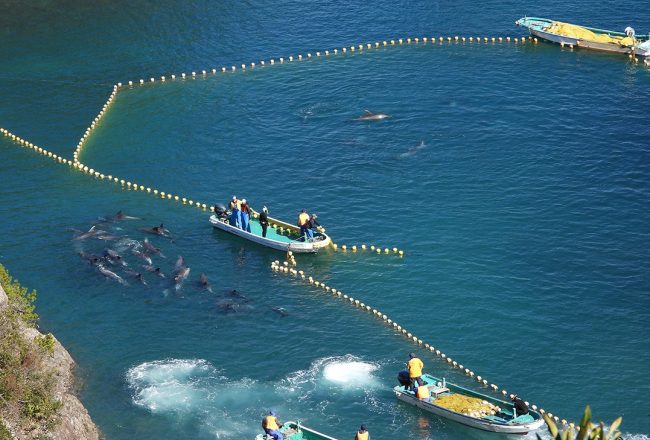
Beyond the Cove: How Captivity Sustains the Hunts
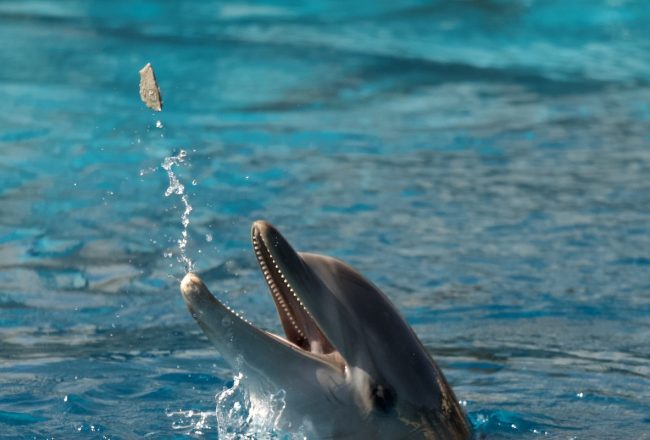
Concrete in a Dolphin’s Mouth After Transfer