
Wild Encounters, Responsible Choices
 28Jun
28Jun
For many people, seeing a dolphin or other whale in the wild is a life-changing experience.
There is something incredibly powerful about watching a pod of dolphins swim amongst the waves, or witnessing a whale majestically surface in the distance. Unlike captive facilities, where every aspect of an animal’s life is controlled and manipulated, wild encounters offer an unscripted window into natural behaviors as they were meant to be observed.
As we enter another species’ domain, we need to do so responsibly
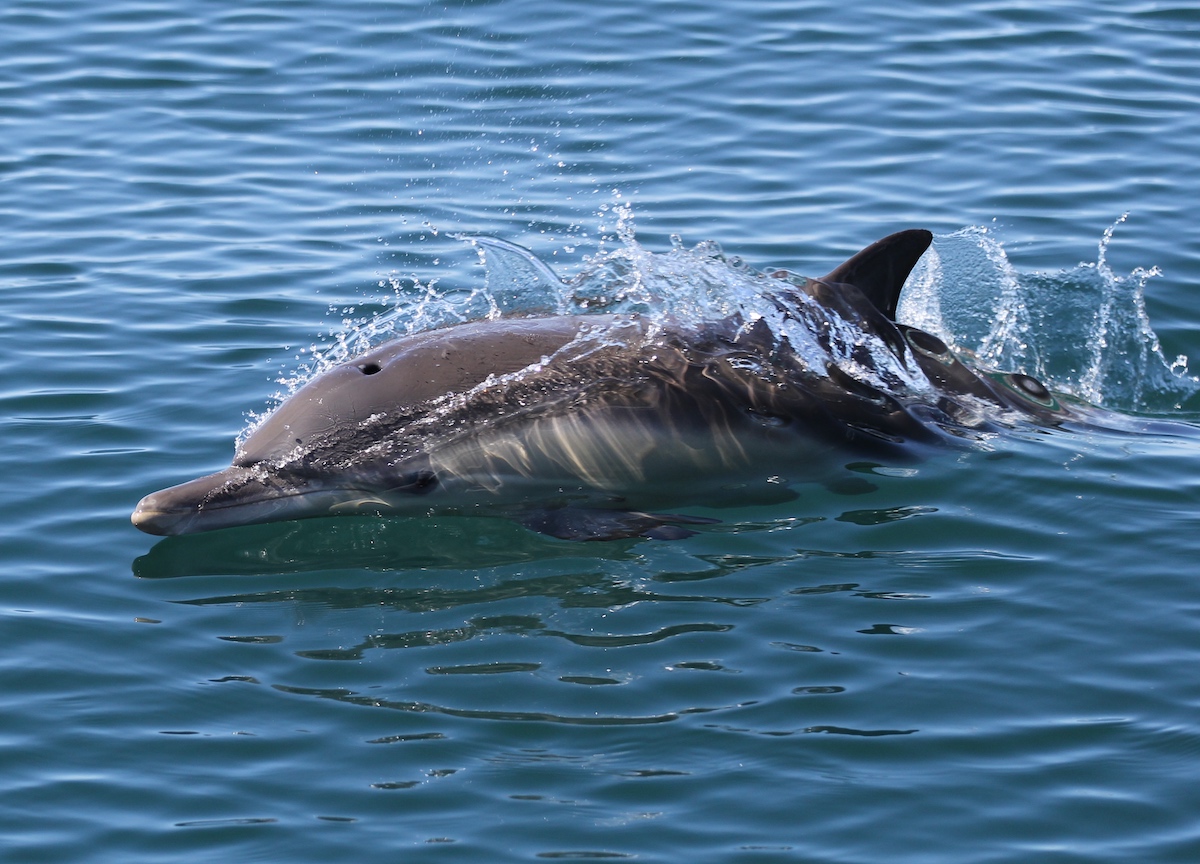
Long-beaked common dolphin swimming wild and free. Credit: Cynthia Fernandez
Dolphins and whales should never be chased, surrounded, touched, or prevented from carrying out their normal activities. Whether feeding, resting, socializing, or caring for their young, these behaviors are essential to their well-being and survival. Local dolphin and whale watching guidelines must always be followed, including maintaining appropriate viewing distances. Responsible whale and dolphin watching operators should adhere to best practices, placing the welfare of the animals above providing the closest possible encounter.
Did you know: Dolphins have very large brains, with a brain-to-body size ratio second only to that of humans

Wild orcas move through the ocean guided by their own knowledge, experience, and social bonds. This individual, part of a coordinated hunt, demonstrates strength, power, and purpose that can never exist in captivity. In marine parks, orcas are confined to concrete show arenas, their days dictated by training sessions and performances, their intelligence and skills reduced to routines for spectators. The raw vitality of a wild orca could not be more different from the controlled, predictable lives of those held in tanks. Credit: Alexandra Johnston
Dolphins and whales are highly intelligent, social animals with complex lives and strong family bonds. The more we learn about them, the clearer it becomes that they deserve our respect – not our interference.
Watching dolphins and other whales in the wild can inspire a lifelong appreciation for the oceans and the animals that call these habitats home. It can also serve to remind us of something critically important – that these mammals do not exist for our entertainment. They are living beings with their own purposes, and deserve a life that no tank or enclosure could ever replicate.
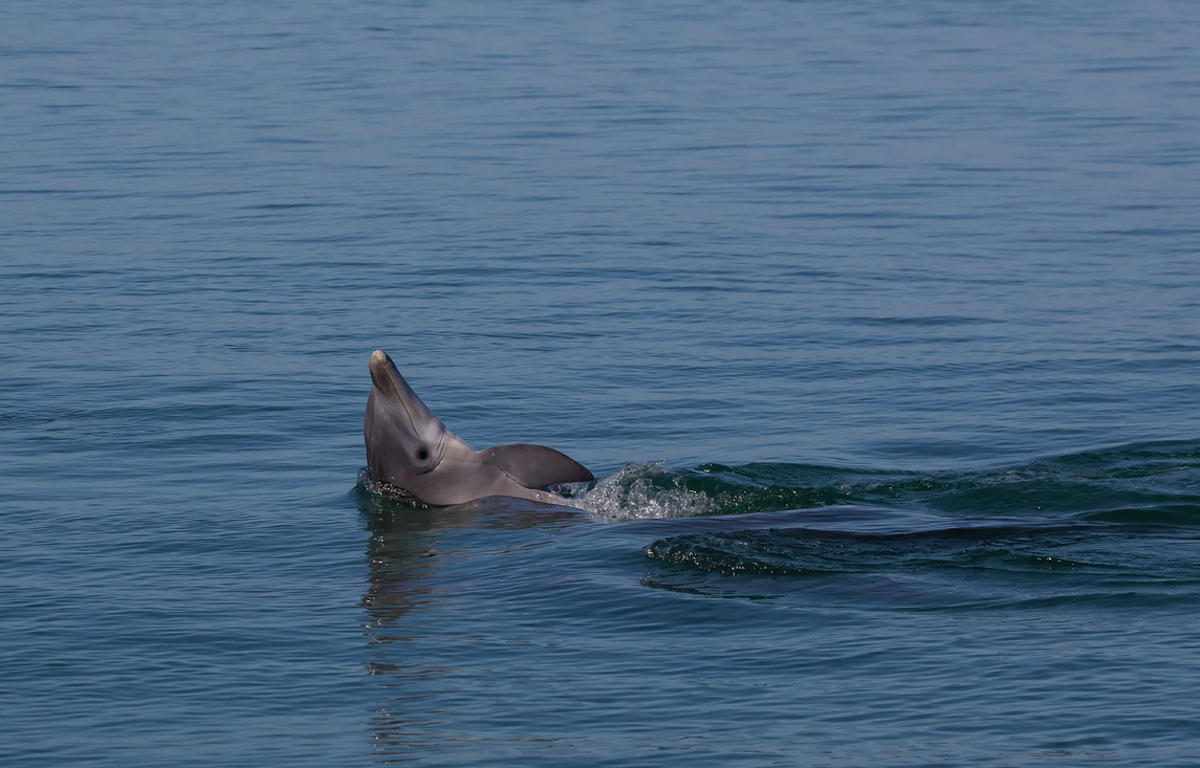
Wild and free bottlenose dolphin, Florida. Credit: Gwen McKenna
LEARN MORE: How to Watch Whales and Dolphins Responsibly
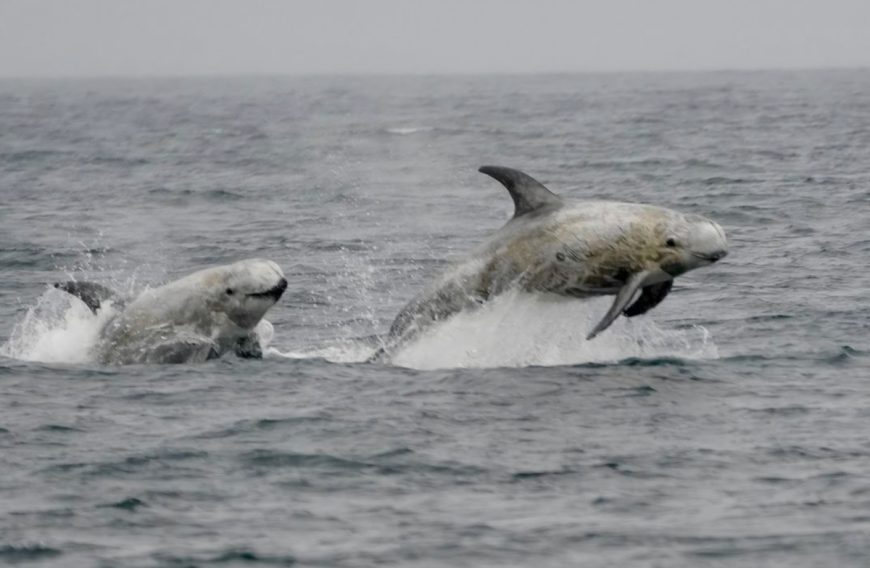
Featured image: Risso’s dolphins swimming wild and free, Monterey, California. Credit: Cynthia Fernandez
