
Respecting Wild Dolphins: The Impact of Boat Noise
 21Oct
For many people, seeing dolphins in the wild is an unforgettable experience. Whether watching them swim together, torpedo through the waves, or surface near a boat, these encounters offer a glimpse into their lives and the wild world they inhabit. But responsible whale and dolphin watching also means considering how boat noise may affect these marine mammals and their natural behaviours.
Recent research in Malaysia has shed some light on this issue. Marine bioacoustician Saliza Bono has been studying how dolphins respond to noise from nearby boats. Her findings reveal that dolphins significantly reduce their whistling activity when vessels approach, and that their vocalizations do not immediately return to normal even after the boats have moved away.
Sound plays a crucial role in how dolphins experience and interact with their surroundings. They rely on whistles and other vocalizations to communicate and maintain social bonds, while echolocation allows them to navigate and locate food by emitting clicks and listening for returning echoes. Changes in their acoustic environment can interfere with these activities.
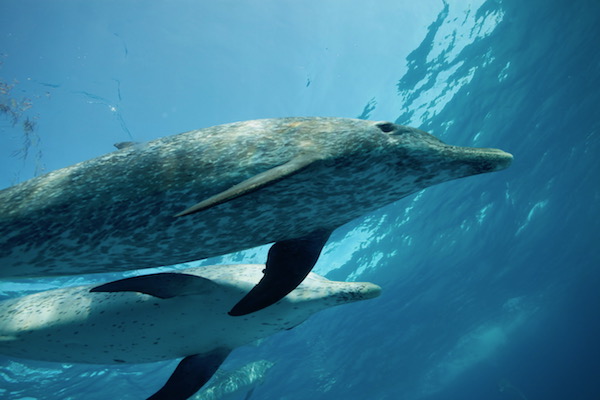
Wild spotted dolphins. Credit: DolphinProject.org
These findings are particularly relevant as whale and dolphin watching continues to grow in popularity around the world. Observing these animals in their natural habitat can inspire a greater appreciation for marine life, but respecting local marine mammal protection laws and maintaining a safe distance help minimize disturbances to their natural behaviours. As this research highlights, some changes in behaviour aren’t visible from the surface and can only be detected by listening underwater.
Other important precautions include traveling at reduced speeds, never chasing or surrounding dolphins, and taking extra care around mothers and calves. Above all, encounters should take place on the mammals’ terms, allowing them to go about their lives without unnecessary human interference.

Dolphin hunting boats, Taiji, Japan. Credit: DolphinProject.org
The impact of underwater sound on dolphins is also evident in the annual dolphin drive hunts in Taiji, Japan. Here, hunters repeatedly strike metal poles lowered into the water, creating an underwater wall of sound that terrifies dolphins and drives them towards the Cove. This deliberate use of noise forces pods from the open ocean into a confined space, where they face capture for captivity or slaughter.
Seeing dolphins living freely in the ocean is a privilege. By making responsible choices on the water, we can enjoy these unique encounters while helping ensure that our presence does not come at the expense of their well-being.
Sources used in this blog:
- Eavesdropping on Malaysia’s dolphins: Interview with marine bioacoustician Saliza Bono, Mongabay, 10/14/26
- Dolphin Project’s campaign in Taiji, Japan
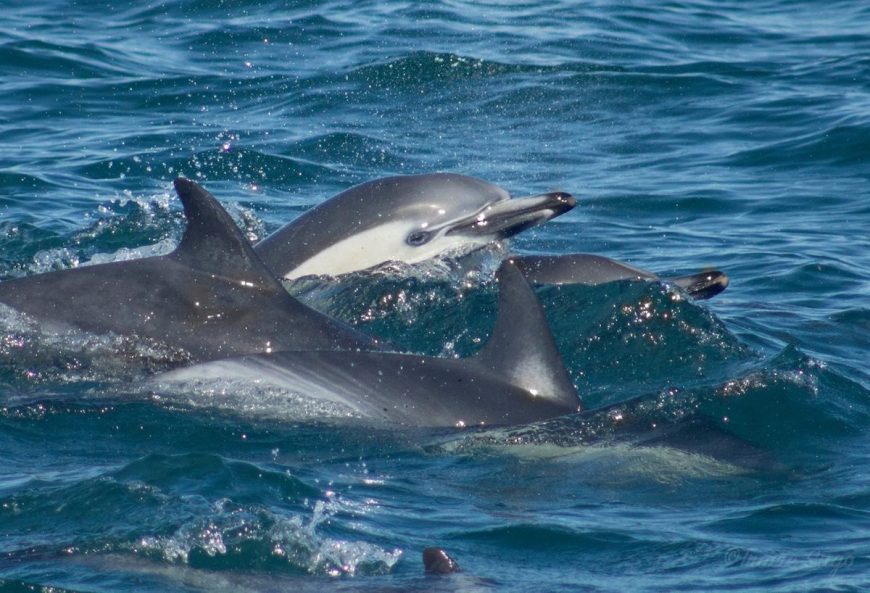
Featured image: Pod of wild common dolphins off the southern California coast. Credit: Tracie Sugo
RELATED:
Ready…Set…Patience!
How to Watch Whales and Dolphins Responsibly
